In The Bitch Farm, Dutch Haid doesn’t just craft a serial killer narrative—he opens a chilling window into the deeply fractured psyche of a man torn apart by trauma. The killer is not merely a villain but a manifestation of complex psychological layers. Through the dual personas of James and Zac, Haid reveals the disturbing, yet strangely methodical, descent into madness that turns emotional pain into homicidal purpose.
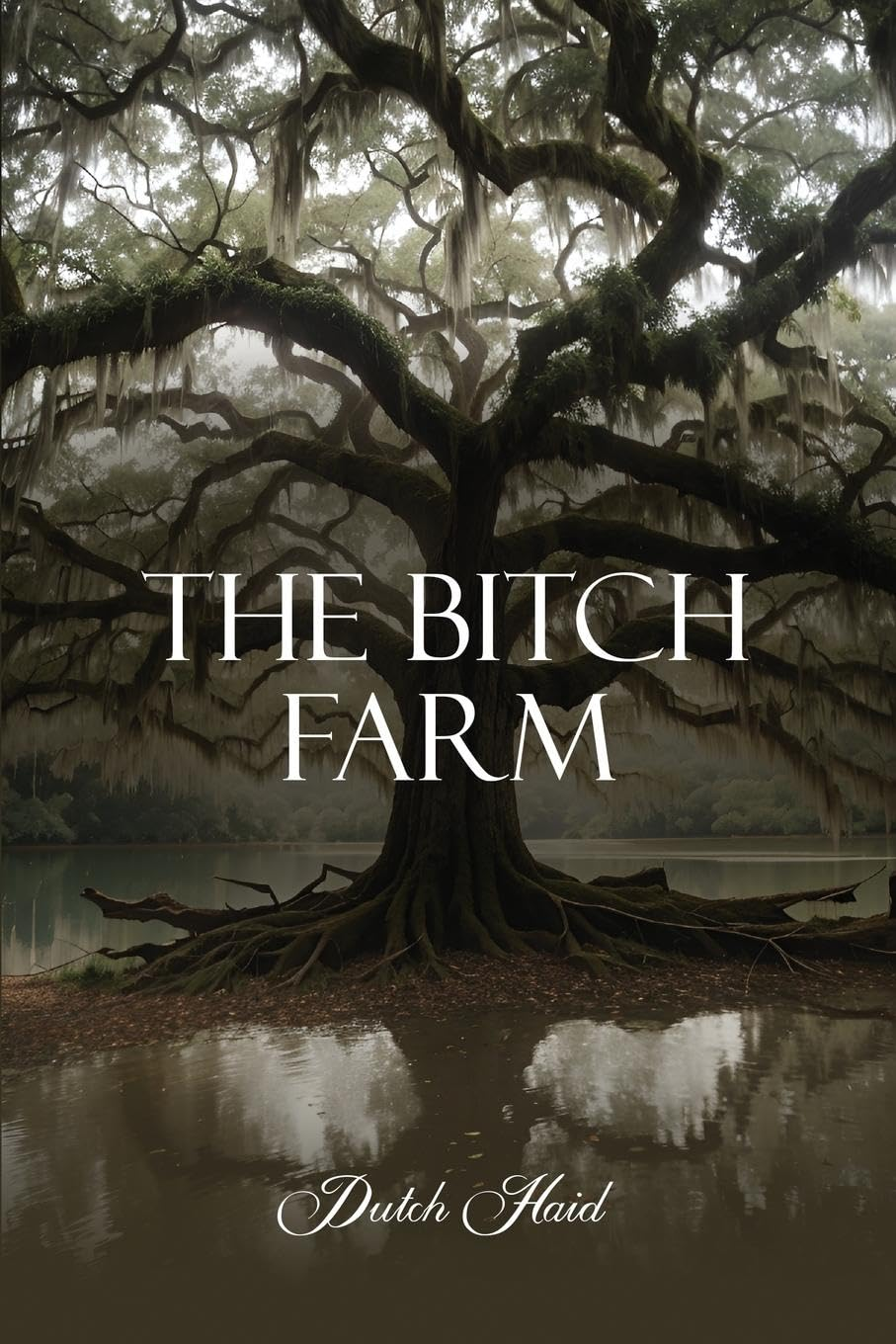
James, the apparent “mastermind,” is introduced as a survivor of relentless maternal abuse. His mother, a grotesquely controlling figure, physically, emotionally, and sexually violated him throughout his childhood. These traumatic origins do not fade quietly into the background. Instead, they erupt through his split persona—Zac—the enforcer, the punisher, and ultimately, the killer. Haid’s portrayal isn’t cartoonish or sensationalized. It is disturbingly intimate. The reader is not merely witnessing violence; we’re brought along for the psychological ride into a mind where reason has been corrupted by emotional damage.
Zac isn’t just a name—he is a psychological construct, brought into being by James as a form of protection. He is the rage James could not express as a child. The book shows Zac coming to life in the shadows of James’s mind, a protector-turned-predator. He doesn’t kill out of blind hatred but follows a ritualistic plan that James orchestrates—each murder is calculated, rehearsed, and carried out with cold precision. It’s a horrifying partnership where one mind orchestrates and another executes.
Dutch Haid cleverly blurs the line between identity and illusion. As the narrative unfolds, it becomes difficult to distinguish where James ends and Zac begins. The reader is not just watching crimes; they’re experiencing the terrifying logic that justifies them. This deep psychological approach sets The Bitch Farm apart from standard thrillers. Haid asks not just what happened but why, and that’s where the horror truly lies.
What makes the portrayal even more unsettling is the normalization of this dynamic within James’s own worldview. He sees nothing monstrous in Zac’s actions. Instead, they are the inevitable outcome of a world that failed to protect him—a world that deserves retribution. Each victim isn’t chosen at random; they are women who, in James’s twisted perception, echo the rejection, humiliation, and control he endured from his mother.
By giving us access to James and Zac’s internal monologues, Haid immerses us in a mind where logic, pain, and vengeance merge into something terrifyingly human. This is not the caricature of a killer. This is a man built by trauma, shaped by cruelty, and empowered by the only voice that never judged him—his own fractured self.
The Bitch Farm is not for the faint of heart. But for those who dare to explore the darker recesses of the human mind, it offers an experience that is as unsettling as it is unforgettable. Dutch Haid’s psychological depth elevates this thriller into a grim psychological case study. If you’re fascinated by the minds of killers—not just their acts—this book will haunt you long after the last page.